Home Blog Page 96

Broadband Light Therapy

0

The skin is the largest organ in the body. It plays a significant role in our bodies as it covers our internal organs and protects us from external harm. The skin also documents our experiences and history. It, however, plays a more important role other than protecting us from external factors. The skin lets us know what is happening underneath it by flagging down any issues with the internal organs. Discoloration of the skin and skin sensitivity or wrinkles might make us feel older or unattractive, but they are indications that something is not right.

If such issues occur abruptly on your skin, you may need to seek medical attention as it could mean that there is a severe underlying issue. You should, therefore, take the necessary steps to ensure that you keep your skin healthy.

While researching about the best skincare and wellness treatments, you’ve probably come across BBL therapy. There are claims that BBL therapy helps in age reversal and reversing sun damage. In this article, we will dissect what BBL therapy is, how it works, and whether it is the fountain of youth.

What Is a BBL Laser?

BBL refers to Broadband Light. It is a frequency of high concentration of light that sends controlled heat to the skin. Scientists have studied its ability to encourage new cell growth and improve appearance for a youthful feel and look.

BBL therapy uses BBL laser technology to reduce discoloration, the appearance of redness, and to correct other cosmetic issues such as rough or uneven skin textures, aging, and even sunspots. Although BBL therapy isn’t a magic pill for every skin condition, it helps reduce the appearance of acne, redness, and fine lines.

How Does Broadband Light Therapy Work?

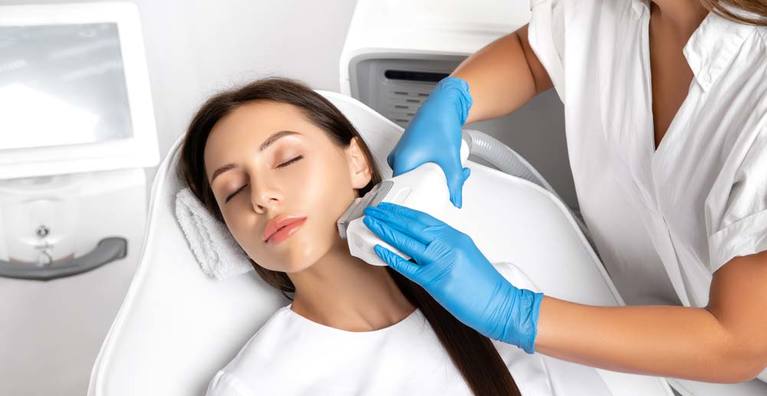
Broadband Light therapy considers the use of infrared frequencies of high-intensity light aimed at the skin’s outer layers to remedy the affected areas. The BBL instrument sends amounts of heat to areas of the skin, which are more affected by the sun. Such areas include the face, hands, and chest.

The BBL laser aims at damaging the cells around the affected area so that the skin triggers an immune response. This way, the skin is forced to heal itself by creating more collagen to repair itself. The cells then go into overdrive as they react to the sudden trauma.

The cell damage alters the body to get rid of the damaged cells and instead build new ones. If the treatment is done correctly, there will be no lasting scarring or advance wounding on the affected area. BBL therapy has shown positive results in human trials and mice. The treatment is FDA-approved.

BBL therapy is used when one needs to cover up evidence of any trauma done to the skin. It, however, doesn’t resolve any of the issues that cause skin damage. It is mostly used to battle any acne scars and downsize the appearance of sun damage.

A study conducted by Anne Chang reveals that BBL laser treatment works by changing cells genetically. This procedure helps to promote a facial appearance similar to that of a younger person. The youthful effects of BBL therapy, however, are short-term. The FDA hasn’t cleared the process of developing anti-aging treatments or altering any gene expression.

Where Is BBL Therapy Applied?

As revealed above, BBL therapy is often used for cosmetic and dermatological purposes. It is usually used to remove sunspot appearances and minimize the appearance of small blood vessels and wrinkles. It is also used to reduce evidence of acne scars.

The following are some of the FDA approved BBL therapy applications:

  • Forever Young BBL – This type of treatment targets signs of sun damage and aging. It intensifies the regeneration of collagen, which is useful in reducing age spots and any sun damage.
  • Forever Clear BBL – This type of treatment uses Intense Pulsed Light to reduce acne-causing bacteria and minimize inflammation caused by acne.
  • Forever Bare BBL – This type of BBL laser treatment is used in hair reduction. If you would like to get rid of hair in some specific areas in your body, then Forever Bare BBL is the right choice for you.

This kind of treatment uses IPL to penetrate the skin and reduce any chance of hair regrowth. Forever Bare BBL is often used in reducing facial hair, armpits, and back shoulder hair. It can also be used to reduce hair around the lips, chin, and beard removal.

Are There Any Side Effects to BBL Skin Treatments?

Although BBL is a quick and painless procedure, it affects different people differently. Before getting any BBL laser treatment, it is wise that you consult with your medical practitioner for advice on the best procedure for you. A physician is well equipped to inform you of the right treatment for you.

That said, the most common side effects of this kind of treatment include a slight reddening similar to that of a sunburn right after the treatment. Another side effect is a little swelling. However, this kind of side effect is dependent on the type of treatment you received.

Doctors also advise that after you get BBL laser treatment, you protect your skin from sun exposure as the skin tends to be overly sensitive.

Is BBL Therapy Helpful?

Skin trauma such as acne scars, redness, or the onset of wrinkleless can be annoying and unflattering. If you’ve been battling with these conditions for a while and are looking for a solution, you can try BBL therapy.

This non-invasive dermatological procedure can help you regain your confidence by restoring your skin to its youthful glow. However, you should first consult your doctor before seeking BBL therapy. Make a list of any severe conditions you have and run them by your doctor first so that they can tell you whether you’re fit for BBL therapy or not.

It is also advisable to visit a licensed professional for BBL therapy. This is because the procedure involves applying controlled amounts of strong light that can potentially damage your skin if not done correctly.
Blue Light vs Red Light Therapy

0

Light therapy has emerged as one of the safest and most effective treatments for many common health conditions, including depression, skin issues, insomnia, and pain.

But with so many options available on the market (featuring both red and blue light therapy), it’s tough to know what’s right for you. 

Many readers present with the same questions: What is blue light? How does blue light therapy help your skin? What does the treatment involve? 

In this article, we’ll give you those answers and explore everything you need to know as you embark on your blue light therapy journey.

What is blue light therapy?

To start, we need to take a look at what blue light therapy is all about. 

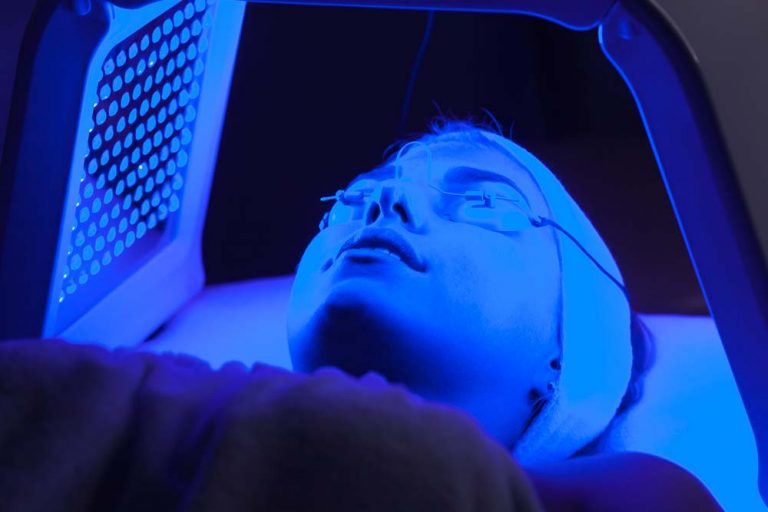
Blue light therapy uses natural violet or blue light to help treat conditions on or directly under the skin, which is why it’s often prescribed for skin disorders. It’s a pain-free procedure that can help you get back to your best.

It’s also a vital component of an innovative treatment known as photodynamic therapy (PDT), which teams blue light with light-sensitive drugs to kill cancer cells – using the light to ‘turn on’ the drugs so that they can get to work.

What conditions does blue light therapy treat?

Blue light helps with several different skin complaints, including: 

Sun damage

The most common use of PDT and blue light is to treat sun damage and help prevent skin cancer.

The treatment works by removing pre-cancerous skin lesions and cancerous ones that haven’t spread to other parts of the body. Blue light penetrates the surface layers of the skin without damaging them (all without hurting), making it a gentle and natural way to heal sun damage.

Acne

You can also use blue light therapy to help with a variety of skin disorders, including acne. 

The light therapy smoothes out the texture of the skin while reducing inflammation of any enlarged oil glands. It also helps remove acne, scars, and sunspots.

Depression

Blue light therapy is also commonly used to treat depression, particularly depression caused by Seasonal Affective Disorder (SAD).

SAD is partially caused by cold and dark winter weather. The darker days tend to keep us inside more than usual and ultimately deprive us of much-needed light to lift our mood. As such, just a few minutes of blue light exposure regularly throughout the dark months can help counteract these issues.

How exactly does blue light therapy work?

The good news is that blue light therapy is very quick and convenient. You can do it as an outpatient procedure and sometimes even at home (unless done as part of a PDT treatment for cancer).

A session in a clinical setting usually involves working with a skin care specialist. The doctor takes the patient into a dark room and, if taking PDT, applies the appropriate photosynthesizing drugs to the skin. These may need a few hours, or even a few days, to absorb into the skin. 

If there is a delay between applying the drugs and the therapy itself, it’s important to stay out of the sun while you’re waiting to finish treatment. Protect your skin and don’t expose it to any direct light to ensure the medication stays on the skin and isn’t activated outside of treatment.

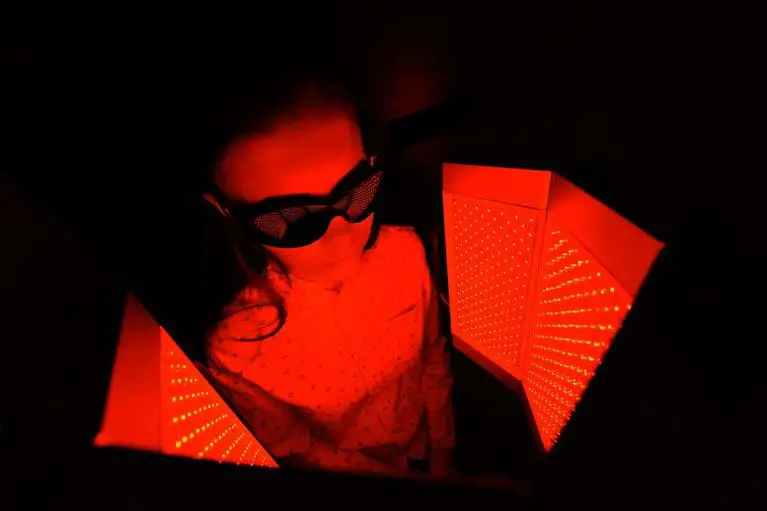
When the time comes for your light therapy, you’ll get goggles to keep your eyes protected before light is directed to the skin. Sessions can last anywhere between 15 and 90 minutes, depending on which area you want to treat and the severity of your condition.

If you’re turning to blue light to chase away the winter blues, you can get your SAD relief right at home with a portable device that can be used regularly as needed (although always check the manufacturer’s instructions for use before diving into your DIY at-home therapy).

Is blue light therapy effective for skin issues?

Curious how blue light can help heal acne, scars, sunspots, and damaged skin?

Many patients find this type of therapy effective for their skin conditions, as long as it’s used consistently.

You may need regular maintenance sessions to keep seeing progress. While every case is different, it generally takes one to four treatments to resolve skin conditions like precancerous sunspots, followed by annual check-ups. 

Acne sufferers can expect to complete four to six treatments before finding relief, with follow-ups twice a year.

Always consult with your doctor before getting started on any light therapy, even blue light therapy. While generally safe and well-tolerated, it may not be suitable for those with underlying conditions. Only you and your doctor can determine if blue light therapy is the right treatment to suit your lifestyle and health needs.

Blue light vs red light

Another well-known light treatment is red light therapy. It’s important to outline the difference between red light therapy and blue light therapy, so you know exactly which is best suited for you.

So, what is red light therapy?

Red light has a longer wavelength than blue light – ranging from around 600nm to 750nm. These longer rays have a different effect on the body. There are a few key ways in which red light varies from blue in terms of our health:

1. Blue light can disrupt your sleep; red light doesn’t

Ever stayed up too late, glued to your screens? Blue light interferes with our melatonin production (the so-called ‘sleepy’ hormone), disrupting our normal waking and sleeping patterns. If you find it hard to wind down at night, you may need to limit your TV time.

Red light, on the other hand, appears to have no impact on our natural evening sleep. In one trial, participants tossed and turned after exposure to blue light, while those exposed to red light reported a sound night’s sleep.

There’s even some evidence that red light can help insomnia, so if you’re looking to get better rest, go for a red night light.

2. Blue light may be a better choice for psoriasis

Both red and blue light show great promise in treating skin disorders like acne, stretch marks, and rosacea.

But if you’re looking to treat psoriasis, blue light therapy may be the better option. 

According to one study, blue light is more effective at banishing psoriasis plaques (vs red light) – with patients seeing improvement after six weeks of treatment.

3. Red light is better for increasing alertness

The photosensitive cells in our retinas – the ones that keep track of whether it’s daytime or night – are more sensitive to blue light than red. That’s why screen-time at night can interfere with our natural circadian rhythms.

While blue light increases our alertness, unfortunately, it does so by suppressing melatonin. Red light doesn’t. In one study, researchers found that red light was better than blue light at preventing the dreaded afternoon slump.

Red light increases our alertness without meddling with our melatonin, making it a better choice if you’re looking for light therapy to treat fatigue.

4. Red light is better for wound healing

Longer wavelength red light penetrates our skin and stimulates the body to produce more collagen, a vital protein used in connective tissue.

This makes it ideal for healing injuries and wound repair. In one study, red light outperformed blue in treating skin wounds. 

5. Blue light boosts mood

While red light appears to have little effect on depression or other mood disorders, blue light can give you a lift.

Research shows a dose of blue light is just as effective as white light in treating Seasonal Affective Disorder. As mentioned above, SAD is a depressive condition also known as the ‘winter blues.’

In summary

Blue light therapy is a safe and effective treatment to help with many skin conditions. Like many of the other light therapies out there, blue light works to naturally stimulate the body’s own healing mechanisms, reducing the risk of unpleasant side effects and leading to lasting results.

Blue light therapy differs from red light therapy and may be a better choice for certain skin conditions or improving mood.

That said, for most issues, an effective treatment plan can often incorporate both. Using blue and red light therapy together often produces optimal results – especially when it comes to skincare.

Light Therapy for Eczema

Light Therapy is a treatment option that uses UV light to treat itching and other skin symptoms that come with eczema. Exposing the skin to this type of light intends to suppress some of the skin/immune system cells that cause inflammation. As with almost any treatment, there are some potential downsides/side effects, but overall those who are living with eczema find that light therapy is an effective way to treat it.

In general, artificially produced light is becoming more of a popular treatment for eczema because it is easy to control and monitor (especially while under the supervision of a medical professional). Another positive is that light therapy is proving successful at not only treating eczema but a variety of conditions (to give you clearer and better-looking skin).

The Benefits of Using Light Therapy on Eczema

There are several benefits that people tend to report when it comes to light therapy treatment of eczema. As we begin to discuss these benefits, please keep in mind that it’s always recommended to talk with your doctor and do not abruptly stop your other treatments and/or medications without thorough research and consideration.

  • Flexibility – One of the best benefits of light therapy is that it covers such a broad spectrum of symptoms and conditions. While a great deal of additional research needs to be performed, light therapy is showing promising results when it comes to treating chronic ailments. If you use light therapy properly, it can potentially provide a great deal of relief without subjecting you to an array of side effects (that tend to be common with other prescription medications).
  • Safety – Light therapy is also generally very safe to use. It comes courtesy of low-level light… light that isn’t strong enough to cause damage to the skin but is strong enough to provide the intended benefits on a plethora of areas (mainly taking extra precautions when working around the eyes). As mentioned before, when performed under the supervision and care of a doctor, most people find that light therapy is an all-around safe & effective option.
  • Pain-free – Light therapy should not cause any pain or require any sort of recovery time. There are many available treatments that you can use for your eczema that tend to cause pain and a good deal of discomfort as well. Fortunately, this is not the case when using light therapy to help you get relief. Light therapy treatment can be done in short sessions, and one of the only side effects tends to be a little tightness in the skin. Most patients notice relief (rather than pain) when they start to implement light therapy.

The Potential Negatives of Using Light Therapy on Eczema

While there are a lot of great benefits to using light therapy to treat your eczema, it is important to realize that there are a few risks that are associated with treatment. Some of the risks that you should consider and discuss with your doctor include:

  • Burning – In some cases, artificial light, similar to what we see with natural sunlight, can cause some sunburn and blistering. You may notice that the skin reddens and itches if you use the light too long, but this is typically due to using incorrect products/usage. Those with lighter complexions are more lightly to burn and may struggle to use UV light therapy of any kind. Discuss this with your doctor before using light therapy for any condition if it is a concern.
  • Skin damage – For those who are not careful with how much light therapy they use, there is always the potential for a little skin damage. The skin may also develop more freckles and become wrinkled with prolonged use.
  • Skin cancer – There haven’t been any issues reported with skin cancer while using light therapy thus far (and in some cases, red light therapy is often used to help treat skin cancer), but this remains a relatively new therapy. In general, being exposed to UV light for too long can cause issues so it is something to watch for.
  • PUVA – The medication that you may see used in tandem with light therapy can sometimes cause nausea and headaches for some people. Also, if you do not use adequate eye protection while using light therapy, this can potentially cause cataracts.

Overall, using light therapy is an effective way to treat eczema and many other conditions of the skin throughout the body. You can work with your doctor to determine exactly how long to keep the light on the area during treatment. This helps to ensure you receive all the benefits while limiting any negative side effects that we discussed above.

For most patients, about half an hour is plenty of time with light therapy. Depending on your medical condition, you may need to visit a specialist to do your treatments. There are also some at-home devices available that allow you to administer treatment in the comfort of your own home.

As many are aware, treating eczema is a difficult chore. There are treatments out there, but many of them are difficult to use and can make the itching and dry skin worse. While light therapy is still in its infancy, there is enough momentum for it to be considered as a possible form of relief.

Light Therapy for Insomnia

Many people have the unfortunate burden of having to live with insomnia. No matter how tired they are, they find it hard to fall asleep at night or may continuously wake up in the middle of the night and not be able to get back to bed.

Insomnia can ruin your health because it prevents you from getting the rest/sleep that you need. If you are someone who suffers from insomnia, then red light therapy may be just what you need to feel better.

Infrared Massage / Light Therapy

There are many holistic therapies that you can use to help get your body in the best health possible. Some are quite simple and some are a bit more complex.

One of the best options that you can choose (for almost every part of your body), and one that doesn’t come with a lot of side effects, is known as red light therapy.

Red Light Therapy for Testosterone

Testosterone is the main sex hormone that helps men perform sexually and reproduce. While this is the primary function of the hormone, it is also there to help with bone mass, muscle mass, facial hair, voice development, and other health conditions.

As men age, their testosterone levels can start to deplete. This is completely normal but can bring about some harmful side effects as well. Red light therapy is a great way to increase your testosterone and keep you as healthy as possible.