Home Blog Page 95

Infrared Light Therapy for Neuropathy

Neuropathy, or nerve damage, is a complex and pervasive condition that affects millions of North Americans. Symptoms can vary wildly, running the gamut from mild numbness in the feet to chronic pain.

If you’re struggling with neuropathy, it can feel like a daily battle to get symptoms under control. Managing neuropathy and improving a sufferer’s quality of life often requires a multi-faceted approach, including medications and/or surgery. As awareness of the condition grows, neuropathy patients are looking to more natural therapies to help them overcome and heal from the condition.

Infrared laser therapy is a non-invasive, gentle, and effective treatment for neuropathy. Using low-frequency, longer-wavelength infrared light not only helps with pain and inflammation but can actually encourage damaged nerves to regenerate and heal.

What is neuropathy?

If you think of your body as a map, the nerves are the highways–shuttling millions of messages around the body to where they’re needed.

There’s a lot of traffic flowing along those nerve highways; it’s a deluge of constant signals that control everything from your reaction to pain to your blood pressure levels.

Nerves can either be:

  • Autonomic – these are doing the heavy lifting behind the scenes, keeping track of all those involuntary functions we rarely consider, like heart rate, breathing, and digestion.
  • Sensory – sensory nerves are the ones monitoring how we interact with our environment. They let you know when something is touching your skin or if it’s too hot or cold.
  • Motor – our muscles move when our motor nerves tell them to. These are the guys at the controls, feeding signals to our muscles and helping us run, jump, grab, kick, and generally move through life.

Neuropathy is when our nerves are damaged. They might send the wrong messages, stop sending signals at all, or start firing spontaneously. A single nerve may be the culprit, or it could be several nerves from different systems going rogue.

With such a complex condition, it’s not always easy to pinpoint the cause. Nerves can go haywire for all sorts of reasons – disease, injury, autoimmune conditions, environmental toxins, vitamin deficiencies, hormonal imbalance, genetics.

Depending on the type of nerve affected, neuropathy can give rise to a whole host of different symptoms that can seriously disrupt quality of life.

Red light therapy for nerve pain and nerve damage

If you’re living with pain, you’ll try almost anything to escape it. The conventional treatment for neuropathy involves medications and/or surgery, depending on the cause.

Thankfully, red light therapy offers another route to relief. Red light therapy is a gentle, well-tolerated, and non-invasive method of controlling and alleviating nerve pain. Studies show exposure to infrared light can reduce chronic pain without any adverse effects.

In one trial, red light therapy was used to treat incurable, persistent nerve pain arising from a spinal cord injury. The treatment reduced sensitivity to pain and restored some motor function – suggesting that the infrared light wasn’t just acting as an anesthetic (but actually had a healing effect).

Further research confirms this, showing that infrared LEDs encourage wound healing and even nerve repair and regeneration.

Infrared light therapy for peripheral neuropathy

Peripheral neuropathy occurs when the nerves outside of the brain and spinal cord are damaged. It’s a broad term covering more than 100 different types of nerve damage.

According to the National Institute of Neurological Disorders and Stroke, more than 20 million Americans suffer from peripheral neuropathy (an estimate actually assumed to be on the low side as many cases go undiagnosed).

Symptoms of peripheral neuropathy are largely dependent on which types of nerves are affected. If it’s a problem with the sensory nerves, you could expect to feel numbness or unusual sensations. In extreme cases, it can interfere with the body’s pain signals, causing agony at even the softest touch on your skin.

Peripheral neuropathy in the motor nerves can cause cramps, twitching, and loss of reflexes. Autonomic nerve damage can show up as digestive problems, spikes in blood pressure, and respiratory issues.

Fortunately, there’s increasing evidence that infrared light therapy can help with some of the most concerning side effects of peripheral nerve damage – restoring sensation and motor function, as well as reducing sensitivity and pain.

Infrared light therapy for neuropathy in feet

Diabetes is the leading cause of peripheral neuropathy in the United States, and around 60 – 70 percent of people with diabetes feel it in their extremities, like feet and hands.

This type of neuropathy can cause a numbing, tingling, or burning pain in the feet. It is not pleasant, especially when you consider that we spend such a large part of our day on our feet. For a diabetic with severe neuropathy, simply taking a single step can be agonizing.

In a study of over 2,000 patients with peripheral neuropathy (just over half of whom had diabetes), those exposed to infrared light reported more sensation in their feet after treatment and a significant improvement in the pain in their feet – with some participants experiencing up to 67 percent less pain.

How to use red light therapy for neuropathy

At this stage, you may be intrigued by the potential benefits of red light therapy for your nerve pain and damage, but wondering, how exactly can I get it?

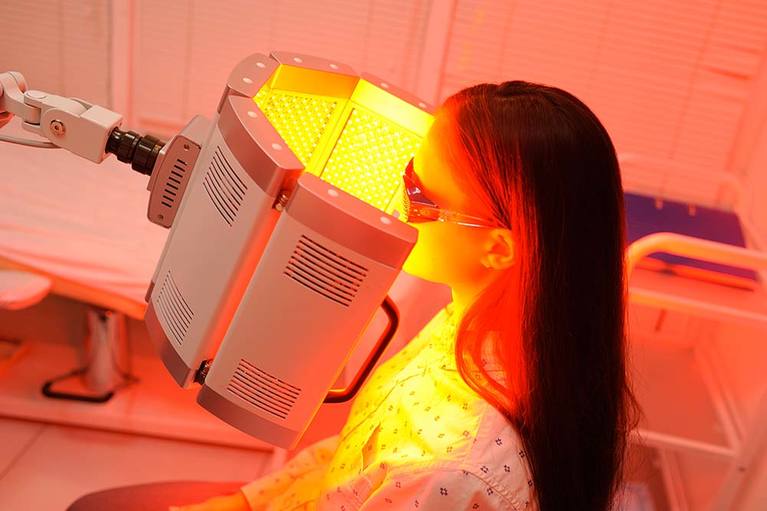
That’s the easy part–just sit under an infrared light!

The treatment is safe for all ages and, unlike UV light, will not damage the skin. It’s very soothing and relaxing; at most, you’ll usually feel a warm glow as the healing rays do their work.

The length of your session and/or how regularly you get your infrared depends on you – everybody is different, so it may take some experimenting. It’s generally safe for long-term use, so you don’t have to worry about overdosing on your red light therapy.

Last but not least, if your neuropathy leaves you tossing and turning at night, we have one more bit of good news. Red light therapy is even effective for insomnia and acts as a proven stress-reliever and mood enhancer.

As with any new form of treatment, please be sure to consult your medical professional before diving in. However, with the proper tools and preparation, it’s certainly worth considering infrared therapy as part of your holistic treatment plan for neuropathy.

We wish you the best on your journey to reaching a positive state of body and mind!
Red Night Light

Red light therapy is gaining ground as an effective, natural remedy for many conditions. These conditions include various issues (from eczema to arthritis), but one of red light therapy’s most successful applications has been treating sleep disorders.

Technically speaking, red light has a higher wavelength than either white, blue, or green light and emits at a lower frequency. 

But what does this mean for your health?

A red night light can be more soothing, less stimulating, and encourage the production of the ‘sleepy hormone,’ melatonin. This crucial hormone helps us drop off to sleep, stay asleep, and ultimately get a better night’s rest.

How to use a red night light to help your baby sleep

There are lots of milestones in a child’s life. For parents, the most important milestone is often the moment their baby or child starts sleeping through the night.

Babies need a lot of shut-eye to fuel their developing bodies and brains – with newborns requiring up to 17 hours a day. That said, it’s not always easy to make sure they’re getting it… which can lead to stressed babies, stressed parents, and a very stressed household.

If you’ve got a sleepless newborn, an irritable infant, or a toddler who tantrums at bedtime, don’t panic! The first step is taking a hard look at your baby’s room and making it a place where they’ll want to sleep, somewhere that’s naturally soothing and calm.

How you light your baby’s room can make or break their sleep habits – setting them up for a good night or ruining their rest.

While it’s best to limit the amount of ambient light around the house as you’re putting your baby to bed, a completely dark room isn’t always feasible. Some babies fuss in the dark and might even develop a phobia, while others might like a comforting glow while they nap. On top of this, it’s also just easier in general for parents to navigate the nursery if they have something to see by.

So what to do?

If you want the best night light for your insomniac infant, consider switching out the bulbs in your baby’s room for a red light night light – a low-frequency light that won’t disturb their sleep.

Red light and melatonin

We all operate according to an inner clock, even babies. Our hormones rise and fall throughout the day, with one, in particular, melatonin, letting us know when it’s time to sleep.

Do you know that drowsy feeling you get after dinner? The gradual sleepiness that comes on after the sun goes down? That’s melatonin doing its job.

Unfortunately, melatonin production is sensitive and can be thrown off by a number of factors – too much blue light from screens, not enough natural light during the day, etc. Melatonin levels can even get out of whack from season to season, surging as the winter nights darken and ebbing with the bright summer months.

Interestingly, babies typically start producing melatonin from 9-12 weeks (yet premature infants may take longer). While melatonin supplements are generally well-tolerated for adults, they are not advisable for babies or children. The good news – you can just as easily stimulate your child’s melatonin production by getting them a red light, night light.

Red light at night can help the body naturally produce melatonin and doesn’t interfere with REM sleep, ensuring that your child will not only get more sleep but better quality sleep.

Red night lights to comfort and calm

A sleepless baby is a miserable baby. When they wake (oftentimes shrieking at 3am), you’ll do whatever necessary to soothe them back to sleep…even if it means singing lullabies on loop until dawn.

Studies show that red light is a powerful mood booster, thanks to its calming effects. Red light also mimics the sunset, so babies become more in tune with their natural rhythms. This simultaneously helps create a peaceful, sleepy atmosphere.

The gently lulling effect of red light is even more important in the modern era, where our kids are more exposed to technology than ever before. 

Being constantly subjected to the blue light from our televisions, computer screens, and portable devices isn’t ideal for quality sleep. And even if your baby isn’t playing Candy Crush on their tablet (yet), if you have a screen on in the room they’re likely indirectly bathing in undesirable, stimulating blue light.

One way to potentially counter that exposure is by switching over to restful red lights at dusk. A red-lit room will always be preferable in the evenings to help everyone settle into a mellow mindset before sleep.

How to set up your red light baby room

Kids are naturally drawn to color and generally find a red-lit bedroom much more enticing than the standard brightly lit rooms they’re used to. With that in mind, parents shouldn’t run into too many problems switching it up.

There’s a number of red night lights available for nurseries with cute designs and features. Fairies, dinosaurs, animals…whatever your child is into, they’ll love their new night light.

Plug-in red night lights are popular, as well as standard red light lamps. If your child is old enough, you can even let them pick out their own – if they’re more involved in the process, they’re more likely to love their new red room.

If your child is still unsure, try making a game of it. Toddlers love storytime, so try telling them a fairy tale involving their favorite characters who (coincidentally) sleep in a red room. Create a blanket fort around your red lamp. Try cut-out stencils in star shapes or moons to see how the light can make patterns. 

A little imagination can lead to a lot more sleep!

Red light for parents and kids

We all want the best for our kids. Fortunately, red lights aren’t just great for your baby…they’re good for you too!

Stumbling into the baby’s room for a late-night feed, only to deal with a diaper disaster (or just struggling to get them settled again), is always jarring. A red night light in the nursery (rather than a glaring blue or white bulb) makes it more likely that you’ll be able to get back to sleep quickly and easily.

Parenthood is challenging enough without throwing sleep deprivation in the mix, so make it easier on yourself with a red light to strive for sleep success for every family member!

Conclusion

We all know sleep is important. Evidence is constantly mounting on exactly how important.

Good sleep hygiene can boost our immune systems, prevent disease, improve our thinking and memory, reduce stress, protect our heart health, and even help us live longer.

It’s even more important for children as bad sleep can affect their mental and physical well-being, starting from birth. As they age, poor sleep can negatively impact their school performance, their ability to make friends, and their physical growth.

A well-rested baby is a healthy baby, and a red night light can help as they develop into healthy kids, healthy teenagers, and healthy adults!

Full Spectrum Lighting for Depression

0

Now that winter is coming up, the days are getting shorter and we will see less time that we can spend in the sun. There are even days when the sun won’t come out, which can make winter even harder. For some individuals, this is a time that is cozy and nostalgic. For others, winter is difficult and they may feel sad, tired, and unmotivated to do anything. No matter how badly winter affects you, everyone will notice a difference in their mood when they spend less time in the sun.

One safe and effective treatment that you can use to help with the winter blues, or SAD, are full spectrum lights. Let’s take a look at what the winter blues are all about and how full spectrum lights may be the cure that you need.

What are the Winter Blues

While we may call them the winter blues, this is technically something known as SAD, or Seasonal Affective Disorder. This is a type of depression that many people feel related to the seasons and occurs during winter. Those who suffer from it will start to display symptoms of sadness and depression that start with the cooler days of fall and go all the way through the winter months.

There are a number of symptoms that are common with SAD. Some of these include:

  • Lots of trouble concentrating on anything that needs to get done.
  • Having lots of sleep problems
  • Feeling agitated, sluggish, and struggling with your energy.
  • Feeling hopeless and depressed most of the winter.

The main cause of SAD is that we aren’t getting enough sunlight during the winter months. Direct sunlight is able to help us stimulate the hypothalamus, which is the part in our brain that is linked over to the internal clocks of the body. This helps control a number of things, including our sleep-wake schedule.

If we do not get enough bright light to help stimulate this part of the brain, it is likely that we will produce more melatonin, the sleep hormone, while decreasing how much serotonin is produced, which is the hormone that will make us feel good and can regulate our moods.

What is Full Spectrum Light?

When you use a full spectrum light bulb, you will notice that it will emit a light spectrum that is able to simulate the same spectrum that is found in natural sunlight. You can use this without worrying about any damage to the body and without any restrictions, but it is pleasant and beautiful compared to some other options that you use.

Because it will mimic the same wavelengths that you see in the sun, these full spectrum lights can be used to give you some of the same benefits that you will get if you spent your day outside in the sun. Since lack of direct sunlight will often cause SAD and other depression disorders, using the full spectrum light to help replace the sun can be the best way to help cure depression.

Will Full Spectrum Lights Help with Seasonal Depression?

This type of light therapy is able to help with SAD and other forms of seasonal depression. While it does need some more research to help see whether it is effective as a standalone treatment of SAD. If you are always working with a doctor for your seasonal depression, you will need to discuss using this type of treatment with them before you start.

These bulbs and light boxes are able to work well to make us feel better, and can work as a great treatment for those with mild forms of depression. If you do not feel great during the winter and you have some of the symptoms of SAD as well, then using some of these full spectrum lights can be the cure you need.

How Can I Use Full Spectrum Light?

One of the best ways to get all the healthy benefits from full spectrum lights is using a light therapy box. This is a tool that will provide striking white light using, in most cases, fluorescent bulbs. These bulbs will have a color temperature that is somewhere between 5000 to 6500K. This is the average color temperature that we will see with the sun at noon. They will often have a more energetic wavelength like the sun as well.

As you use these boxes, you will notice they have a very powerful light. They should not be used to keep your home illuminated because they are meant as a type of therapy. To see them work for SAD and other forms of depression, you need to spend about half an hour a day during the winter in front of the box. This allows your whole body to receive the right amount of simulation to see the benefits.

There are also full spectrum light bulbs that you can use if you do not want to work with the box. You can use these in the same way that you would a regular light bulb to help you keep your home nice and bright. But you will notice that the light is much brighter than a regular lightbulb. You can then turn on the lights and do what you would like around the home, enjoying the benefits of having more sunlight in your life.

Full spectrum light is an effective way to help deal with depression, especially during the winter months. Since so many people suffer during the winter because they are without the sunlight to help release happy hormones that make them feel good. Using this kind of light is a good replacement for the sun when you can’t get outside and enjoy the sun.

Even a few minutes a day under some of these lights will make a big difference and can cure depression during the winter without all of the harmful side effects of drugs and other medications. If you suffer from SAD or other forms of depression, it may be worth your time to discuss using full spectrum light with your doctor to see if it is a good treatment for you.

Red Light Therapy: How Often?

Red light therapy is a great type of light therapy treatment that can help with many health concerns from skin conditions to weight loss. It was originally developed by NASA to help grow plants effectively in space. Then it changed to becoming a therapeutic option that you can use to help make your life better. Today, there are even devices that you can use at home any time that you want.

Many people who are considering whether to use red light therapy or not wonder how long they will need to be under the light and how long they need to use the treatment to see and maintain their results. Let’s take a look at how to answer this to help you see how great red light therapy can be.

What is Red Light Therapy

Red light therapy is basically a treatment that you can use that relies on red color wavelengths to help heal the body. These wavelengths are able to penetrate the upper layer of the skin, providing it with energy and the ability to heal the skin. This promotes collagen growth and the reduction of wrinkles and fine lines around the skin as well. The treatment is safe and effective, without harmful side effects, making it the perfect option to choose.

Since this is a natural light without any UV attached, red light therapy is completely safe and will not cause damage to the skin. Right now it is most commonly used to help with a variety of skin conditions, though there is a growing body of research to see whether this type of therapy can be used to treat other issues like inflammation, help with weight loss, and more.

How Often Should I Do Red Light Therapy?

Once you have found the right specialist to help with your red light therapy or you have your own device, it is time to decide how often, and for how long, you should use the device. One recent study that was done to see how effective this therapy is on wrinkles, fine lines, and skin texture found that doing red light therapy for half an hour two times a week provided positive results and good satisfaction from the users.

The good news is that this type of light therapy is proven safe and doesn’t have any negative side effects. You don’t even need to worry about any downtime when the treatment is done. This allows you to experiment a bit to see what seems to work the best for you without causing any damage.

A good place to start is to do three to five sessions a week for up to a month to start getting the results that you want. After that first month, you can then reduce the number of times, usually two or three is fine, for another 12 weeks. You will need to keep using the light therapy for the long-term if you would like to keep those results. You can reduce to just a few times a week and still see this work. It is even possible to use the light therapy a few times in the same day.

Then you need to consider how long you should do each session. This will really depend on what you are using the red light for. The best thing to consider is the energy units of the device you have, or the joules, rather than the clock. So, if you are doing a session to get some more brain benefits, you need to go for a few thousand joules for each session. You can go until you get that much out of it and you are set to go.

If you are worried about getting the right amount of time and doing the therapy for a long enough time, you can always work with a specialist to make this a little bit easier. They can set up the sessions and the intensity to help you see all the results that you want, without you having to put in the work or worry about it at all.

How Long Should I Do the Red Light Therapy?

Another thing that you may want to consider when it comes to red light therapy is how long you will need to stick with this treatment. It is possible that you will see healthier skin after just one twenty minute session under the red lights. However, you should not stop right after you begin to see results, whether you see them after one session or more.

Most of those who choose this method will need to stick with the regimen for up to 12 weeks to see the full effects, though you should be able to see some results after just a few weeks. You then should continue on with one or two sessions each week to continue to see the results.

This may seem like a lot of work and like you need to continue on with the work for a long time. Since red light therapy is safe and effective to use, with no harmful side effects, it is fine to continue to use it for the long-term. You will never have to worry about overdoing it or whether it will hurt your skin or cause any damage.

Before using it though, make sure to do your research before you start this treatment and consider talking with with a specialist. This will help you to get all of the facts in place and make a good plan based on what you need and how you expect this therapy to work for you.

Red light therapy is a safe and effective option that you can use for any skin condition and many other health ailments that you need. In the beginning, you may need to do the sessions more often to help you see a change. Then you can lower how many sessions you need, and even the amount of time you spend under the light, to maintain the results without having to spend as much time to keep the benefits.

What is Green Light Therapy

0

Many of us are far too familiar with the feeling of being up too late looking at the blue light of a computer. But it turns out that there is another color of light, a very specific band of green light, that could provide a number of benefits to us. In fact, light therapy, no matter which color you choose to use, is an effective and safe solution to improve the health and lives of most people.

While you can find claims of how green light therapy will help with almost every health condition from easing pain to fighting depression, most of these claims are just in the early stages of research so not much is known. However, Dr. Rami Burstein has pioneered research that shows how green light therapy is able to help those who suffer from light sensitivity and migraines. Let’s explore a little more about green light therapy and see how it can work for us.

What is Green Light Therapy?

While light therapy has been around for many years and is starting to make a big comeback as a helpful cure for many, green light therapy is also something that we need to consider. There are many studies that have recently been published to show us all the amazing properties that come with green light. For example, green light therapy, when used correctly, can help fight off light sensitivity and extreme migraines for some people.

If we look at the evidence, it shouldn’t surprise us too much that the color green is able to positively influence us. Green is known to create calmness and serenity for a lot of people, bringing us closer to nature. For years we have known the benefits of spending time in nature, where we find a lot of green colors, and how it can help calm the mind and make us healthier.

We can use this same idea to help us better understand how green light therapy will work. We harness the natural benefits that come with green light and use it as a way to make our health better. It is really good at creating a calm environment that can help us feel better while reducing headaches.

The Benefits of Green Light Therapy

There are a ton of benefits to using green light therapy in your daily routine. Some of the benefits you will quickly notice include:

Helps Improve Your Sleep

Using a little bit of green light may be able to help you sleep better at night, while blue light from your computer can hinder the sleep. Even just a few minutes before bed can be enough to help calm you down enough to go to sleep.

Provides Relief From Pain

Some research that has been done by Mary Heinricher shows us that this green light can be enough to reduce the amount of pain that we feel. Green light has the potential to work with our pain-modulating systems, ones that would tell us that unharmful inputs are painful to us. The experiments that were done here showed a light intolerance to issues like fibromyalgia, which raised the idea that abnormal photosensitivity may be explained to us by our pain systems reacting wrong to light.

Using some green light to help reduce how sensitive the patient is to light may be the right solution. This green light will ensure that the patient will be able to handle the light a little better, helping them to effectively manage their pain as well.

Use as a Treatment for Migraines

Migraines are really hard to help cure and treat. Each person has a different cause to the migraine and some common treatments just do not seem to work. Green light therapy may be able to help fight off these migraines in many patients. Many patients have given up hope and feel that they just need to live with the migraines forever. Green light therapy can help give them some relief.

According to Dr. Rami Burstein, green light may be able to help those who have migraines by producing some smaller electrical signals in the brain and the eyes. This wavelength of light will provide them with a soothing glow that helps to get rid of the headaches while getting the patient back to their daily routine.

As a Skin Therapy

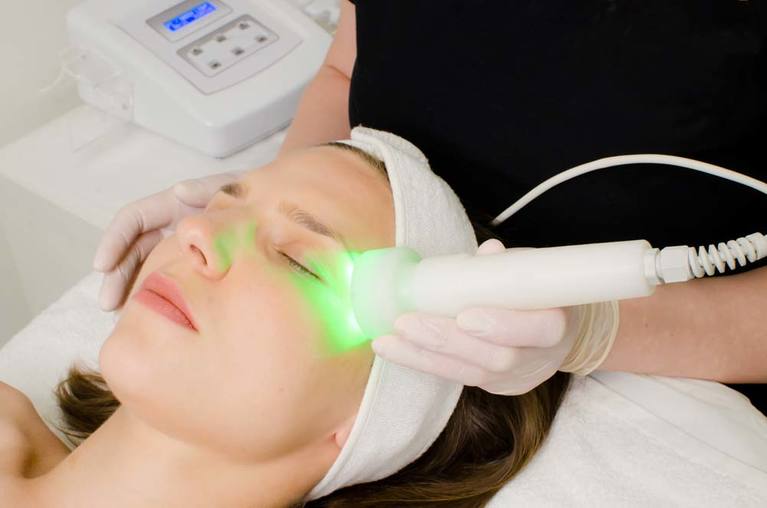
Many forms of light therapy are great as skin therapies. Green light therapy is no different, though it will treat different skin conditions compared to some of the other colors. The green light in particular is good for helping fight off sunspots, broken capillaries, pigmentation, and dark circles under the eyes. In some cases, it is able to calm down skin that is over-stimulated and irritated.

The result is skin that looks and feels healthier than ever before. While it may not help some of the wrinkles and fine lines like we see with red light therapy, this is an effective type of light therapy to help you get the smooth and even looking skin that you want. Add in that it can take away some of your stress and leave you feeling calm and rejuvenated, and this may be one of the best types of light therapy to consider.

Green light therapy is not as popular as we see with red light therapy or some of the other options. However, for those who are sensitive to light or are dealing with chronic migraines that won’t seem to go away, the green light can provide some relief where other treatments have failed.

We are used to the idea of the color green helping us to calm down. Many times we are told to go spend some time in nature to calm down or get rid of the stress that we feel in our daily lives. This is why nature walks, camping, and spending time outside is so good for us. Green light therapy helps us to harness some of this good energy through healthy lights that will make us feel better and live a healthier life, especially when it comes to fighting off pain, migraines, and light sensitivity.

Chromotherapy: What You Need to Know

0

Light therapy is quickly becoming one of the best methods to help make your skin look amazing while alleviating many common health conditions. Considering all you need to do for this therapy is to use different wavelengths of light, it makes sense that this is an effective and safe treatment for everyone to use. But what exactly is chromotherapy and how does it work?

What is Chromotherapy?

One of the first things we need to look at here is what chromotherapy is. Chromotherapy is a treatment option that will use wavelengths of color light to help improve the biochemistry of the body in the hopes of promoting deep healing throughout. This type of treatment will become more effective when used with some of the available infrared sauna treatments because this helps the chromotherapy penetrate deep into the soft tissues of the body. Through all of this, the body is able to effectively absorb the full spectrum of color that is emitted during the treatment.

Basically, when you use this treatment, your goal is to take the wavelengths of each color and use it as a way to naturally heal the body. There are some amazing things that light wavelengths can do for our health, helping to clear the skin, fight off cancer, give us energy and so much more. One type of chromotherapy, known as red light therapy, is taking the world by storm and ensuring that many common medical ailments are cured through light.

What Can Each Color Do?

There are many different types of light therapy based on the color of light you choose to work with. Chromotherapy will often work with many colors at once to really improve the body, but there are some individual color therapies, like red light therapy and blue light therapy, that you can use as well. Look below to see what each color can do for you:

  • Red: Red is a good light color to use on your skin. It can help stimulate the production of collagen, fights off aging, will reduce wrinkles and fine lines, increases blood flow throughout the body, and fights inflammation.
  • Orange: Orange is a good option to use when you need energy and revitalization to the skin. For those with dull complexions, orange light will bring more nutrients to the skin, resulting in radiant and glowing skin.
  • Yellow: Yellow is a good light color to help tighten up and tone the neck and facial muscles. It can also help to stimulate the sensory-motor nervous system while detoxing the whole body.
  • Green: Green is a good light color to help out with different issues. It is known to calm any red and inflamed skin, fix broken capillaries, and fight inflammation. It can even help aid in fading pigmentation and skin color that is not even.
  • Blue: Blue is a good color to help heal patchy and red skin, fight inflammation, and add more collagen to the skin to avoid wrinkles and those fine lines.
  • Violet: Violet is a good color to use because it can treat acne and problems with oily skin while fighting off bacterial as well.

The Benefits of Chromotherapy

There are a lot of benefits to using chromotherapy in your life. While there do need to be more studies done over time to see exactly how effective this treatment is and which conditions it can help with as well.

It is reported that light therapy is a great option to help decrease inflammation through the body, relieve pain, reduce swelling, help with recovery after surgery, help wounds heal faster, and more. In fact, it can even be used to increase circulation throughout the body and when that is added together with a reduction in inflammation, it can cure quite a few medical problems throughout the body.

Many times this type of therapy is used to help cure a lot of skin conditions, though the uses are expanding as time goes on. Another popular way to use this treatment is to help relieve SAD or Seasonal Affective Disorder. SAD occurs when the individual doesn’t get enough sunlight, which causes their body to go through depression. You can also use chromotherapy to help reset your internal clock to help regulate your mood and make insomnia go away. When combined with red light therapy, this is a great treatment to help stimulate the production of elastin and collagen while making your skin look amazing.

How Will My First Session Go?

There are many spas available, along with a variety of medical practices, who have started to use chromotherapy as a treatment option. After you have your consultation with a specialist, you can determine the right color of light to help with your medical condition. Depending on your own unique diagnosis, you can spend a long time under that specific light to see relief.

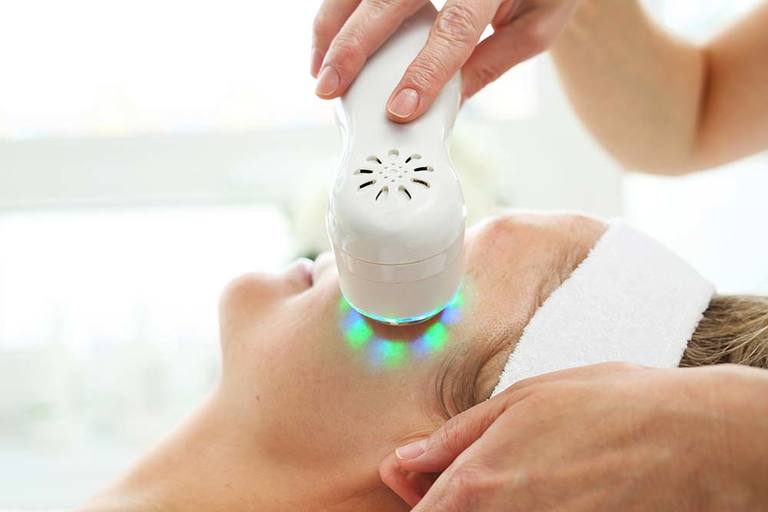
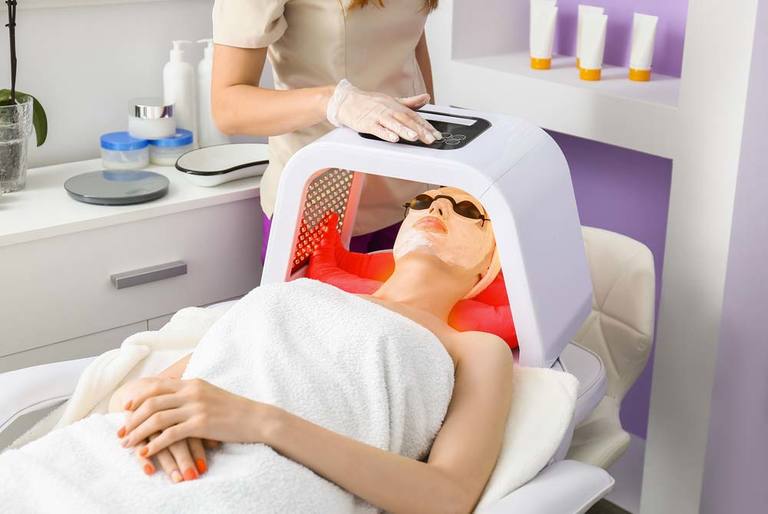
When it is time for the treatment, you will simply lie on your back, usually on something like a massage table, with the light instrument right above the head. There are a few that will work over the whole body as well. The specialist can then turn on the light and you will lie there for varying lengths of time. The different colors should shine on your face.

If you are using a broad spectrum of these lights, each color will end up shining for two minutes and then move on to the next color, rotating them all for half an hour or so. You will notice that this whole experience is pretty relaxing and you will feel comfortable. You may even notice that right after the session, your mind is more open, calm, and clear.

There are some forms of chromotherapy devices available for home use. These are not regulated by anyone so the intensity and the effectiveness may vary. Talk with your specialist before deciding to use any of these.

Chromotherapy is a great option to use to help you heal your skin, get more energy, and just feel recharged overall. It is simple to use and with the help of a specialist, you can enjoy a healthier life.